- Menopausal Paradise
- Foundations of Paradise Menopause
Foundations of Paradise Menopause
Foundations of Paradise Menopause
Foundations of a healthy menopause
The foundations of a healthy menopausal transition lie in a deep understanding and awareness of our own bodies and self-observation skills. One of the key steps in this process is to regularly observe your symptoms. It’s a good idea to start by understanding what symptoms may accompany menopause and how often they occur. Noticing these signals will lead you like a hormonal detective to the cause of these symptoms, you will find your triggers for unpleasant symptoms.
I invite you to delve into the next bookmark, where you will find a detailed list of menopausal symptoms. Learning about them may be key to recognizing them in yourself. Remember, however, that observation is not the end of the story. It is also important to take steps to improve your health and well-being during menopause.
In addition to self-observation, which will help you identify symptom triggers over time, a healthy approach to the lifestyle you lead is also important. Regular physical activity, a balanced diet based on as many natural foods as possible, adequate sleep and relaxation techniques can go a long way toward alleviating menopausal symptoms and improving your overall well-being, reducing the severity or even eliminating symptoms.
Remember that the menopausal transition is a process that requires patience, support and understanding. Don’t hesitate to seek help and support from specialists and other women going through the same stage of life. Take care of yourself, listen to your body and remember that you are ready for this transition. Each of us who started menstruating will stop at some point. It is a natural process, another stage in life and in general menstrual health just a slice in your life.
Now for some facts:
From birth to death, levels of sex hormones change in a pattern. There is a monthly pattern, called the menstrual cycle, and a pattern along the lifeline, which we call reproductive aging. These are the generally accepted timelines for the various stages in menstrual health. Remember that each of us has our own pattern. Just as we start menstruating at different ages, we will go through menopause at different ages. One thing is certain: nature gives us a open window of about 40 years in which we menstruate and have a chance to get pregnant.
Premenstruation:
age 0-10
Menstruation:
age 10-25
Premenopause:
age 25-35
Perimenopause (peri-menopausal time):
age 35-51
Menopause day:
around age 51
Postmenopause:
age 51 + ∞.
When you ask yourself, how can I support myself in the menopausal transition?
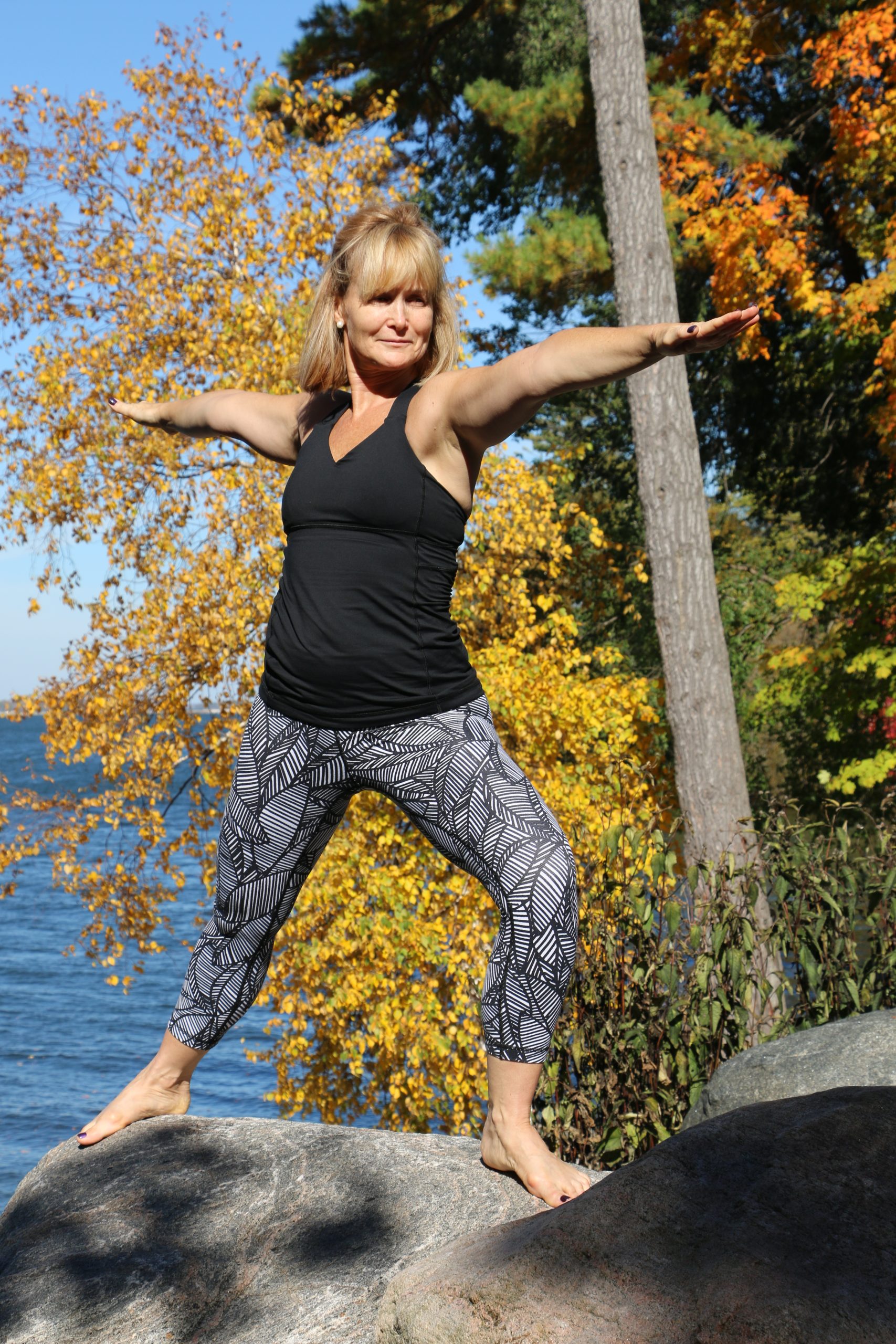
I can emphatically tell you in many ways. I want you to understand that the way you go through this period depends mainly on you. Healthy habits are now becoming an integral part of your life.
You deserve the peri-menopausal period to be a time when both physically and mentally you feel good, so that you are in overall good condition.
Let’s now turn to the foundations of a healthy menopause:
The first foundation is nourishing the body. Natural food is always appropriate at any age, but now it becomes a necessity. Don’t count calories, but rather focus on how nutritious the foods you eat are.
Your body during the menopausal transition will react differently to the same foods compared to your body before it. The same goes for the cosmetics you put on your skin. How to deal with this?
The approach to nutrition in middle age must be holistic. There are details to pay attention to, such as specific vitamins, minerals and adaptogens, but the key is to focus on nutritious, natural foods. Every meal becomes tastier with nature’s gifts, which automatically increases the nutritional value you are now concentrating on.
The menopause period is dynamic, so your diet should be tailored to you and your changes during this time. Observe yourself, what makes you uncomfortable, what foods you now find difficult to digest, and adjust your diet accordingly. Choose to eat natural foods, avoiding absolutely processed foods.
Provide yourself with a variety of real foods. Eliminate processed sugar and all products containing it. Now is not the time to restrict calories in the traditional sense, as this leads to nutrient depletion. It is important for the body during menopause to receive a regular supply of protein to keep it in optimal condition. From a ratio standpoint, a higher intake of protein relative to carbohydrates usually works better.
Another important goal is to reduce inflammation in the body. Foods that calm and soothe, keeping all systems running smoothly, is our goal. Now is not the time to choose foods that require a lot of digestion, cause an insulin spike or leave you generally in pain. Remove or limit foods from your diet that cause inflammation, or those that cause discomfort.
It’s worthwhile to benefit from writing down each day in your Food and Mood Diary how you ate that day and what moods, symptoms, you were dealing with. This is a simple tool for identifying triggers. Our goal is to find positive patterns and support for the mindset in the transformation to a higher level of taking care of ourselves. Focus on foods that have only one ingredient on the package or no package at all, such as eggs, avocados, fish and carrots. Eat at specific meal times and avoid snacking. Try using intermittent fasting. There are so many ways to get stronger, but these should always be your ways that resonate with you. This is the time to look for solutions tailored to you.
Remember to hydrate – water intake should be higher than you think. 2 liters is the minimum for the day. My trick that has helped me to like drinking water is to heat it. Warm water is more easily absorbed by the body certainly mine , with you may have otherwise.
The liver and kidneys are under a lot of pressure during menopause, so it’s important that you limit your intake of things considered toxic. Keep your intake of stimulants to a minimum or eliminate them altogether. Alcohol is a powerful symptom trigger, so if you can’t give it up completely, try to keep it to a minimum. The same goes for coffee – if you can’t imagine a day without coffee, try to drink it until noon and no more than one cup. Instead of strong dark teas, choose herbal infusions, which have additional health-promoting properties. Use the gifts of nature to strengthen your body, these are herbs, for example.
Now let’s move on to the second pillar of a healthy menopausal transition, namely physical activity. Exercise is an integral part of a 360-degree strategy. Staying active is key to keeping muscles strong and joints flexible. Weight-bearing exercise is important because it promotes bone strength and is essential to avoid the development of osteoporosis as estrogen levels decline.
The goal should be to maintain or increase muscle strength through regular training sessions that add up to 2 1/2 hours per week.
Strength training, such as using resistance bands or lifting weights, is a good choice because it activates different muscle groups.
Intense cardio exercises and excessive activity at the gym should be avoided, as they can have a negative effect on cortisol levels. Exercises that are gentler and focus on breathing and flexibility, such as yoga and tai chi, are excellent choices because they allow you to focus on a deeper level.
If movement is the last thing a menopausal person wants to do, if aches and pains are a symptom, it’s important to do any kind of movement every day, even in such a difficult situation. Even if it’s just a short, gentle walk in nature each day or a homemade dance to music in the kitchen. Boosting active blood flow helps our heart and mental health.
In general, exercise during the menopausal transition is the only aspect of lifestyle change that is not controversial and beneficial. Everyone agrees that it is good for you. Look for joy in movement and participation in activity, rather than putting exercise in the category of weight management. Seeing exercise as a “must do” usually leads to less adherence. You will be more likely to maintain a regular activity schedule if you find fun and enjoyment in it. Any movement is good for you, and inactivity is certainly harmful. Remember you decide what kind of activity or activities it should be, it’s your choice.
The third pillar is stress reduction, lowering cortisol or the stress hormone is a very important part of the menopausal transition. Here the most important thing is to find your habits and use them regularly. It could be yoga, meditation, walking, being in nature, box breathing, finding your hobby, or finally finding time for that passion. Find something that makes you happy and simply gives you joy in life, maybe it’s painting, or gardening, or something you loved to do as a little girl and haven’t had time for it in a long time. It is the time to get back to yourself, it’s right now.
Finally, I wanted to add a pillar called Hormone Replacement Therapy. Choice HRT – also known as Hormone Therapy in Menopause (HTM).
This is another tool to help women during this period. It has had a bad press for at least 20 years. Misinterpreted and incomplete results of studies on HRT at the beginning of this century, caused a lot of confusion, women became afraid to use this therapy. It is important to make the data available to women to decide for themselves. Below is a link to a lecture on the issue of full research on HRT, what are the risks from its use, just so that you have knowledge on the subject:
https://www.isswsh.org/resources/videos
This is certainly a therapy to consider, as supplementing declining estrogen has great benefits. It supports the mind and body, minimizing most symptoms (for most women) and reduces the increased risks and consequences of declining hormones with long-term use. HRT is only one part of the menstrual health toolkit and should be considered as an adjunct to managing menopause “in addition to,” not “instead of.” HRT won’t solve all problems like a magic wand, at the same time you need to implement all of the above healthy habits to make the menopausal transition go just fine. In some situations, our own hormones can create physical and emotional challenges. So it should come as no surprise that when we replace them with an external source such as HRT, they can also create a situation that may seem atypical of our physiology. The introduction of HRTs should be monitored by a medical professional, a gynecologist, who will choose the hormone therapy well, and check whether you can use it.
In a recent survey, 95% of women said they would try alternative therapies before hormone replacement therapy, and this is also a solution, but the most important in self-help during the menopausal transition are the first three aspects I touched on, natural food, movement, lowering cortisol are the basics, whether you decide to HRT or not, introducing these procedures into your life now is a must to simply have a Paradise Menopause.
Finally, some tools its good to reach for are:
cognitive-behavioral therapy, acupuncture, massage, reflexology and hypnotherapy, all of which support cortisol management. Anything that can reduce real or perceived stress will help the adrenal glands, which in turn has a positive effect on health and well-being. Keeping stress levels at an acceptable level will help greatly in alleviating menopausal symptoms.
Breathing – “Breathe and be calm” Self-care begins at the cellular level.
Conscious and purposeful breathing gives every cell a chance to function optimally.
Sleep hygiene – sleep also helps the body stay healthy and protects against disease.
Nature’s pharmacy – herbs, essential oils, oils not only for consumption but also for application to the body, there are so many options , you are sure to find something that is perfect for you from mother nature
I also encourage you to seek social support among other women, women’s circles have great power, laughter and joy of life is our goal. Gathering a group of allies is soothing to the soul.
Look for your solutions that suit you, just you, since each of us has our own pattern of menopausal transition, we will also each have our favorite tools to manage it, our supporters, our body observations and our symptom triggers.
Remember YOU are unique and you deserve to Menopause Paradise.